
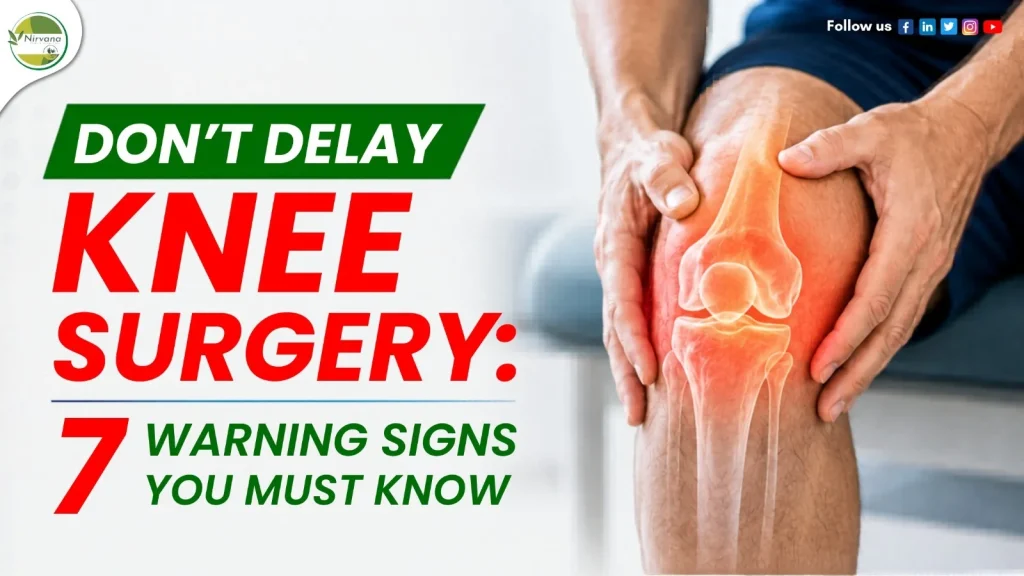
Don’t Delay Knee Surgery: 7 Warning Signs You Must Know
Knee pain can start as a minor inconvenience but gradually become a life-altering burden. Many people in Noida and surrounding areas silently endure discomfort, hoping it will improve with rest or over-the-counter remedies. However, delaying necessary intervention can lead to worsening joint damage, muscle weakness, reduced mobility, and a significant decline in quality of life.
Dr. Shobhit Bhardwaj, a renowned Best Knee Replacement Surgeon in Noida and experienced Orthopaedic Doctor in Noida, emphasizes the importance of recognizing early warning signs. Timely consultation can prevent complications and help restore an active, pain-free lifestyle. In this comprehensive guide, we explore seven critical signs that indicate it may be time to consider knee surgery, along with insights into why acting promptly matters.
Understanding Knee Degeneration and the Role of Timely Intervention
The knee joint is a complex structure of bone, cartilage, ligaments, and muscles that bears significant body weight daily. Conditions like osteoarthritis, rheumatoid arthritis, or post-injury damage cause cartilage to wear away, leading to bone-on-bone friction, inflammation, and pain.
Dr. Shobhit Bhardwaj notes that patients often wait too long, believing they can manage symptoms indefinitely. This delay allows further deterioration, making recovery more challenging. Modern knee replacement techniques offer excellent outcomes when performed at the right time, enabling patients to regain independence and enjoy daily activities without constant pain.
The 7 Warning Signs You Should Never Ignore
1. Persistent Pain That Disrupts Daily Life
One of the earliest and most telling signs is chronic knee pain that persists even at rest or during low-impact activities. Unlike occasional discomfort after exertion, this pain feels deep, aching, or sharp and interferes with walking, standing, or sleeping.
Dr. Shobhit Bhardwaj explains that when pain becomes a constant companion—limiting simple tasks like grocery shopping or climbing stairs—it signals advanced joint damage. Ignoring it can lead to compensatory issues in the hips, back, or opposite knee.
2. Stiffness and Limited Range of Motion
Do you struggle to fully bend or straighten your knee? Morning stiffness that lasts more than 30 minutes or difficulty after sitting for short periods often indicates significant cartilage loss and inflammation.
Patients frequently report feeling like their knee is “locked” or resistant to movement. According to Dr. Shobhit Bhardwaj, this progressive stiffness reduces functional mobility and can make rehabilitation after surgery more demanding if delayed excessively.
3.Chronic Swelling and Inflammation
Recurrent swelling that doesn’t subside with rest, ice, or elevation points to ongoing internal joint issues. This may accompany warmth or redness, suggesting persistent inflammation.
Dr. Shobhit Bhardwaj advises that swelling unresponsive to conservative treatments often means the joint lining is irritated by debris from worn cartilage. Addressing this early prevents further tissue damage.
4. Instability or Knee “Giving Way
A feeling that your knee might buckle or give out during walking, especially on uneven surfaces, is a major red flag. This instability arises from weakened ligaments, muscle atrophy, or joint misalignment due to arthritis progression.
Such episodes increase fall risk, particularly among older adults. Dr. Shobhit Bhardwaj, as an expert Orthopaedic Doctor, stresses that instability not only limits confidence but can cause secondary injuries.
5. Pain That No Longer Responds to Conservative Treatments
If medications, physical therapy, injections, or lifestyle modifications no longer provide relief, it’s a clear indicator that non-surgical options have been exhausted.
Dr. Shobhit Bhardwaj observes that many patients exhaust these avenues hoping to avoid surgery, only to find their condition has advanced. Timely evaluation by a specialist like him can determine if surgery is the next logical step for lasting relief.
6. Visible Deformity or Changes in Knee Alignment
Noticeable changes such as bow-legged (varus) or knock-kneed (valgus) appearance, or one knee looking different from the other, reflect advanced structural damage.
These deformities alter gait and place abnormal stress on other joints. Dr. Shobhit Bhardwaj highlights that correcting alignment through surgery at the appropriate stage yields better long-term functional results.
7. Reduced Ability to Enjoy Activities and Sleep Disturbances
When knee pain forces you to give up hobbies like walking, gardening, playing with grandchildren, or exercising, and even disturbs your sleep, quality of life suffers immensely.
Dr. Shobhit Bhardwaj often hears from patients who describe their world shrinking due to knee issues. Restoring mobility through appropriate intervention can dramatically improve mental well-being and overall health.
Risks of Delaying Knee Surgery
Postponing surgery when these signs appear can lead to muscle weakening (especially quadriceps and hamstrings), further joint deformity, increased pain, higher risk of falls, and potential complications in surrounding structures. Recovery may become longer and more difficult, with diminished overall outcomes.
Additionally, inactivity from severe knee problems can contribute to weight gain, cardiovascular issues, and reduced bone density. Dr. Shobhit Bhardwaj advocates for a balanced approach—neither rushing into surgery nor waiting until the damage is irreversible.
Benefits of Timely Knee Replacement
When performed by an experienced Knee Replacement Surgeon like Dr. Shobhit Bhardwaj, knee surgery can provide substantial pain relief, improved joint function, better mobility, and a return to an active lifestyle. Many patients report enhanced independence and renewed joy in everyday activities.
Modern techniques focus on precision, faster recovery, and long-lasting implants tailored to individual needs.
When to Consult an Orthopaedic Specialist
If you identify with several of these warning signs, schedule a consultation with a qualified Orthopaedic Doctor in Noida. A thorough evaluation, including physical examination and imaging, helps determine the best personalized plan. Early assessment does not always mean immediate surgery—many options exist depending on the stage of degeneration.
Conclusion
Knee pain should not dictate the terms of your life. Recognizing the seven warning signs—persistent pain, stiffness, swelling, instability, failure of conservative treatments, deformity, and loss of enjoyable activities—is the first step toward regaining control.
Dr. Shobhit Bhardwaj, a leading Best Knee Replacement Surgeon in Noida, encourages individuals experiencing these symptoms not to delay seeking expert advice. Timely intervention can prevent further deterioration and open the door to a more active, fulfilling future. Don’t let knee issues hold you back—consult a specialist today and take a proactive step toward better joint health and overall wellness.